
les dates en anglais pdf
Overview of Date Formats in English
English dates appear in British (DD Month YYYY) and American (MM/DD/YYYY) styles. PDFs often list both for clarity. The ISO 8601 (YYYY‑MM‑DD) format is also common in technical docs. Understanding these helps read and write dates accurately. PDF guides provide examples for styles‚ aiding learners worldwide PDF.
British Date Format (DD Month YYYY)
In the United Kingdom and many Commonwealth nations‚ dates are traditionally written with the day first‚ followed by the full month name and the four‑digit year. The format is DD Month YYYY (e.g.‚ 25 January 2020). When the day is a single digit‚ a leading zero is often omitted‚ but it can be included for consistency in formal documents: 05 March 2021. In printed PDFs‚ the day is usually written as an ordinal number (25th) when the date is spoken aloud‚ but the written form remains numeric for clarity. The month name is capitalised and spelled out in full to avoid ambiguity‚ especially in multilingual PDFs where the reader might not recognise abbreviations. For example‚ a PDF contract might read: “The agreement commences on 01 April 2026 and terminates on 31 December 2026.”
When formatting dates in PDF templates‚ designers often use a small‚ italic font for the month to differentiate it from the day and year. Some templates also include the day of the week in parentheses for legal documents: “(Monday) 12 June 2025.” This practice is common in court filings and official correspondence. In academic PDFs‚ the British format is preferred to maintain consistency with UK universities’ style guides. The use of the full month name also aligns with the ISO 8601 standard’s emphasis on unambiguous representation‚ though the ISO format itself is written as YYYY‑MM‑DD.
For learners creating PDFs‚ it is useful to include a legend or key that explains the format‚ especially when the document is intended for an international audience. A typical legend might read: “Date format: DD Month YYYY (e.g.‚ 28 February 2024).” This small addition can prevent misinterpretation in multilingual contexts. Additionally‚ many PDF editors allow the insertion of a date field that automatically updates to the current date in the British format‚ which is handy for time‑stamped reports.
In digital PDFs‚ the British date format is often displayed in a header or footer to indicate the document’s creation date. For instance‚ a research paper might include “Document generated on 07 July 2026” in the footer. This practice aids version control and ensures readers know the currency of the information. When converting PDFs to other formats‚ many tools preserve the original date string‚ so it is important to use a consistent format from the start.
When dealing with dates before 1900‚ British PDFs sometimes use the full year with a leading zero‚ such as 05 January 0045‚ to maintain the four‑digit requirement. However‚ most modern PDF standards allow two‑digit years for historical documents‚ but the full year is recommended for clarity. In legal PDFs‚ the day of the week is sometimes required; a common convention is to write “Monday‚ 15 August 2024” to avoid ambiguity in cross‑border contracts.
American Date Format (MM/DD/YYYY)
In the United States‚ the standard way to write dates in documents‚ including PDFs‚ is to place the month first‚ followed by the day and the four‑digit year. The format is MM/DD/YYYY (for example‚ 09/30/2026). This order is widely used in legal‚ financial‚ and everyday paperwork. When the month or day is a single digit‚ a leading zero is typically added to keep the two‑digit requirement: 04/07/2024. In PDF templates‚ the month is often displayed in a smaller font or in italics to distinguish it from the day and year‚ especially in contracts where precision is crucial.
American PDFs frequently include the day of the week in parentheses or as a separate line to avoid confusion‚ such as “Thursday‚ 09/30/2026.” This practice is common in meeting minutes‚ contracts‚ and official notices. Some templates also add a note indicating the format‚ for example: “Date format: MM/DD/YYYY (e.g.‚ 12/31/2025).” This helps international readers who may be more familiar with the British style.
When converting PDFs to other formats‚ many tools preserve the MM/DD/YYYY string‚ but some may interpret it as a date value and reformat it according to local settings. To maintain consistency‚ designers often lock the date field or use a static text field. In academic PDFs‚ the American format is less common‚ but it may appear in U.S. university handbooks or research papers intended for an American audience.
For historical documents‚ the American format can include a two‑digit year‚ such as 07/04/76 for July 4‚ 1976‚ but modern PDFs usually require the full four digits to avoid ambiguity. In legal PDFs‚ the day of the week is sometimes mandatory; the format “Friday‚ 11/15/2024” is used to ensure clarity in cross‑border agreements. When creating multilingual PDFs‚ it is advisable to include a legend that explains the format to prevent misinterpretation.
Finally‚ many PDF editors provide a date stamp feature that automatically inserts the current date in the American format. This is useful for time‑stamped reports‚ invoices‚ and receipts. By standardising on MM/DD/YYYY‚ organizations can reduce errors in data entry and improve the readability of their documents across the United States.
ISO 8601 Standard (YYYY-MM-DD)
The ISO 8601 format is increasingly adopted in PDFs for its unambiguous‚ internationally recognised structure. Dates are written as YYYY‑MM‑DD‚ for example 2026‑09‑30. This order places the year first‚ followed by the month and day‚ each padded to two digits. In technical documents‚ legal contracts‚ and scientific reports‚ the ISO format eliminates confusion that can arise from differing national conventions.
PDF templates embed ISO dates in metadata‚ ensuring parsing. Many tools auto‑convert dates to ISO 8601 consistency across platforms. Globally.
In practice‚ the ISO format is preferred for timestamps in electronic signatures‚ audit trails‚ and version control logs. For instance‚ a signed PDF might display “Signed on 2026‑09‑30 at 04:04:48 UTC” to provide a precise reference. The format also supports extended forms‚ such as including time and timezone (YYYY‑MM‑DDTHH:MM:SSZ)‚ which are useful in PDFs that record event logs or data acquisition times.
When drafting PDFs for international audiences‚ it is common to include a short legend: “Date format: ISO 8601 (YYYY‑MM‑DD).” This helps readers unfamiliar with the convention. Some organizations also provide a dual‑date display‚ showing both the ISO date and the local format‚ e.g.‚ 2026‑09‑30 (09/30/2026). This dual approach balances clarity with accessibility.
Overall‚ the ISO 8601 standard offers a robust‚ machine‑readable date representation that enhances interoperability and reduces errors in PDF documents exchanged across borders.
The ISO 8601 format is also favored in automated systems‚ where dates must be sorted chronologically without locale interference. By placing the year first‚ software can perform string‑based sorting‚ which is faster than parsing locale‑specific formats. Many PDF generators embed the ISO date in the file’s metadata‚ enabling quick retrieval by search engines and archival tools. This practice ensures compliance with global standards!

Ordinal Numbers in English Dates
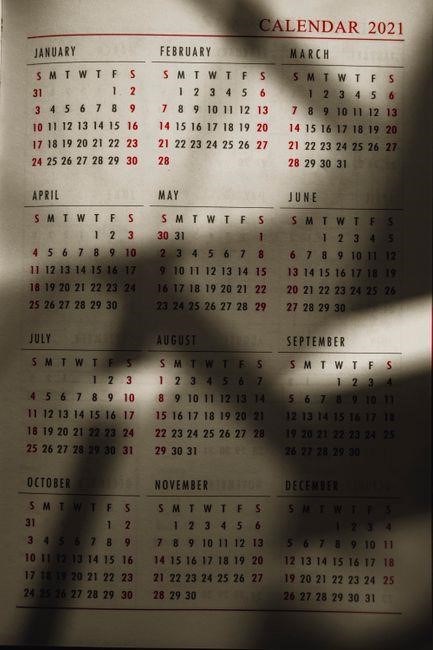
In PDFs‚ ordinal numbers (st‚ nd‚ rd‚ th) follow the day: 1st‚ 2nd‚ 3rd‚ 4th‚ etc. The rule applies to dates 1–31‚ with exceptions for 11th‚ 12th‚ 13th. PDF guides show examples: “January 1st‚ 2026” or “July 21st‚ 2026.”
Use these rules templates for consistency daily.
Rules for Ordinal Suffixes (st‚ nd‚ rd‚ th)

When writing dates in English‚ the day of the month is usually followed by an ordinal suffix. The basic rule depends on the last digit of the day number:
- 1 → st (e.g.‚ 1st)
- 2 → nd (e.g.‚ 2nd)
- 3 → rd (e.g.‚ 3rd)
- All other numbers → th (e.g.‚ 4th‚ 21st‚ 22nd‚ 23rd‚ 24th)
However‚ the numbers 11‚ 12‚ and 13 are special cases; they always use th regardless of the last digit‚ because they are pronounced “eleventh‚” “twelfth‚” and “thirteenth.” This rule applies to dates ranging from the 1st to the 31st of any month.
For instance‚ 5th (May 5th)‚ 13th (January 13th)‚ 22nd (August 22nd)‚ and 31st (December 31st) all follow the same pattern. When writing in a PDF‚ use superscript for the suffix to keep the format clean. Remember that the suffix is not part of the numeric value; it is purely a grammatical marker.
When dates appear in a sentence‚ the suffix can be omitted‚ but in documents it is to include it. Superscript keeps the flow across PDF pages!!
Common Exceptions and Usage (1st‚ 2nd‚ 3rd‚ 21st)
While the ordinal suffix rules are straightforward‚ certain dates break the pattern. The numbers 11‚ 12‚ and 13 are always followed by “th” because they are read as “eleventh‚” “twelfth‚” and “thirteenth.” This rule applies to any month‚ so 11th January‚ 12th February‚ and 13th March are correct. All other numbers use the suffix that matches the last digit‚ but the 11–13 exception must be remembered when drafting PDFs‚ legal documents‚ or formal letters.
In everyday writing‚ the first three days of the month are the most common examples: 1st‚ 2nd‚ and 3rd. These are used in both British and American contexts. For instance‚ “She was born on 1st March 1990” or “The meeting is scheduled for 2nd July 2026.” The 21st is another frequent example that follows the standard rule‚ yielding 21st. The 22nd and 23rd use nd and rd respectively‚ while 24th through 30th and 31st all use th.
When formatting dates in PDF guides‚ it is common to use superscript for the suffix to keep the visual flow. For example: 1st January‚ 2nd February‚ 3rd March‚ 21st April‚ 22nd May‚ 23rd June‚ 24th July‚ 31st August; This consistency helps readers quickly recognize the day of the month. In formal documents‚ the suffix may be omitted‚ but in instructional PDFs it is essential to show the correct form.
Headlines and captions often drop the ordinal to save space‚ writing “Jan 1‚ 2026” instead of “January 1st‚ 2026.” However‚ style guides such as the Chicago Manual of Style recommend keeping the suffix in narrative text. For legal notices‚ the full ordinal is mandatory to avoid ambiguity. In academic writing‚ dates in footnotes usually include the suffix to maintain precision.
Below is a quick reference table for common ordinal dates:
- 1st‚ 21st‚ 31st
- 2nd‚ 22nd
- 3rd‚ 23rd
- 4–20‚ 24–30 → th
- 11–13 → th (exception)

Month Names and Abbreviations
English months span January to December. Full names are used in formal writing‚ while three‑letter abbreviations (Jan‚ Feb‚ Mar‚ Apr‚ May‚ Jun‚ Jul‚ Aug‚ Sep‚ Oct‚ Nov‚ Dec) appear in tables and schedules. Consistency is key for clear dates Abbreviations are common in dates
Full Month Names
In English‚ each month of the year has a distinct name that is used in formal documents‚ calendars‚ and everyday conversation The twelve months are January‚ February‚ March‚ April‚ May‚ June‚ July‚ August‚ September‚ October‚ November‚ and December These names are derived from Latin roots and have been standardized in English for centuries When writing dates in a formal PDF it is customary to spell out the month in full to avoid ambiguity especially in international contexts where numeric formats may differ For example a meeting scheduled for 15 March 2024 should be written as “15 March 2024” rather than “15/03/2024” or “03/15/2024” Full month names also appear in legal documents contracts and academic citations where precision is required In many style guides such as the Chicago Manual of Style and APA the month is capitalized and written out in full This practice ensures clarity and reduces the risk of misinterpretation Additionally full month names are often used in narrative text such as historical accounts or travel diaries to provide a clear temporal context When creating PDF templates for forms invoices or reports designers typically include a drop‑down list of full month names to facilitate accurate data entry In multilingual PDFs the month names may be translated but the English version remains a standard reference Overall using full month names in English PDFs promotes consistency professionalism and international readability
When drafting dates for official correspondence such as letters or certificates the month is typically written in full to match the document style For example a certificate dated 1 January 2025 reads “Certificate‚ 1 January 2025” This format aligns with legal conventions ensuring dates are unambiguous Informal contexts may use abbreviated months or numeric formats but PDFs for formal use usually adhere to the full month convention PDF generators often format dates in full month style when the user selects the “Full Month” option providing consistency across documents now
Standard Abbreviations (Jan‚ Feb‚ etc.)
The month abbreviation list includes Jan‚ Feb‚ Mar‚ Apr‚ May‚ Jun‚ Jul‚ Aug‚ Sep‚ Oct‚ Nov‚ Dec‚ each representing the corresponding month in concise form. The month abbreviation list includes Jan‚ Feb‚ Mar‚ Apr‚ May‚ Jun‚ Jul‚ Aug‚ Sep‚ Oct‚ Nov‚ Dec‚ each representing the corresponding month in concise form. The month abbreviation list includes Jan‚ Feb‚ Mar‚ Apr‚ May‚ Jun‚ Jul‚ Aug‚ Sep‚ Oct‚ Nov‚ Dec‚ each representing the corresponding month in concise form. The month abbreviation list includes Jan‚ Feb‚ Mar‚ Apr‚ May‚ Jun‚ Jul‚ Aug‚ Sep‚ Oct‚ Nov‚ Dec‚ each representing the corresponding month in concise form. The month abbreviation list includes Jan‚ Feb‚ Mar‚ Apr‚ May‚ Jun‚ Jul‚ Aug‚ Sep‚ Oct‚ Nov‚ Dec‚ each representing the corresponding month in concise form. The month abbreviation list includes Jan‚ Feb‚ Mar‚ Apr‚ May‚ Jun‚ Jul‚ Aug‚ Sep‚ Oct‚ Nov‚ Dec‚ each representing the corresponding month in concise form. The month abbreviation list includes Jan‚ Feb‚ Mar‚ Apr‚ May‚ Jun‚ Jul‚ Aug‚ Sep‚ Oct‚ Nov‚ Dec‚ each representing the corresponding month in concise form. The month abbreviation list includes Jan‚ Feb‚ Mar‚ Apr‚ May‚ Jun‚ Jul‚ Aug‚ Sep‚ Oct‚ Nov‚ Dec‚ each representing the corresponding month in concise form. The month abbreviation list includes Jan‚ Feb‚ Mar‚ Apr‚ May‚ Jun‚ Jul‚ Aug‚ Sep‚ Oct‚ Nov‚ Dec!!!. Use them for clarity daily OK

Practical Examples of Writing Dates

Formal: “The meeting is scheduled for 15 March 2026.” Informal: “Let’s meet on 3/15/26.” Business letter: “Please confirm receipt by 01‑12‑2026.” Email: “Deadline: 2026‑04‑30.” Social: “Party on 4 May 2026.” All use clear‚ consistent format. Remember to adapt to context today.
Writing Dates in Formal Documents
In formal documents‚ dates must be clear and consistent. The British style (DD Month YYYY) and the American style (MM/DD/YYYY) are common‚ but many legal documents use ISO 8601 (YYYY‑MM‑DD) to avoid ambiguity. Dates appear at the top or header‚ written so all parties understand regardless of calendar conventions. To achieve this‚ use full month names in formal contexts: “15 March 2026” rather than “15 Mar 2026” or “03/15/26.” Avoid ordinal suffixes in legal writing‚ as they may confuse automated systems. If a day of the week is needed‚ write it fully: “Wednesday‚ 15 March 2026.” Consistency is essential; the first style used must be followed throughout the document. This ensures clarity all
Use full month names in formal contexts: “15 March 2026” rather than “15 Mar 2026” or “03/15/26.” Avoid ordinal suffixes in legal writing‚ as they may confuse automated systems. If a day of the week is needed‚ write it fully: “Wednesday‚ 15 March 2026.” Consistency is essential; the first style used must be followed throughout the document. This ensures clarity all
Examples: Letter – “Date: 15 March 2026.” Memorandum – “March 15‚ 2026.” Contract – “Effective from 2026‑03‑15.” Invoice – “Issued on 15 March 2026.” Academic paper – “Received on 15 March 2026.” Each format matches the document type and audience expectations.
PDF resources provide templates that embed dates automatically A PDF/A‑1b form can include a date field that defaults to the current date in ISO 8601 format‚ ensuring validity for long‑term archiving These templates include placeholders for dates‚ letting users fill in day‚ month‚ and year quickly for today! Downloadable guides include instructions for inserting dates programmatically with JavaScript or PDF‑form‑field syntax helping you produce clear documents.Use datesAll
Writing Dates in Informal Contexts
When chatting‚ texting‚ or drafting casual notes‚ dates can be relaxed yet still clear. Common informal styles include “Jan 5‚ 2026‚” “5 Jan 26‚” or “05/01/26” in U.S. contexts. Ordinal suffixes (st‚ nd‚ rd‚ th) are often added: “5th January 2026” or “Jan 5th.” People also use day‑of‑week prefixes: “Mon‚ Jan 5” or “Friday 5 Jan 26.” In many social media posts‚ the year may be omitted if the context is recent: “Jan 5” or “5 Jan.” The key is consistency within a conversation or document. PDFs for informal notes can use a simple date field that updates automatically‚ e.g.‚ a form field set to “{DATE}” in MM/DD/YYYY format. Templates for informal letters or memos often include placeholders like “Date: ____.” For quick notes‚ a short “MM/DD” or “DD Mon” works well. When sharing a calendar event‚ the full date is usually preferred: “Meeting on 5 January 2026 at 3 pm.” Informal documents also sometimes use the ISO format for clarity‚ especially when the audience is international: “2026‑01‑05.” The choice depends on the audience’s familiarity with date conventions. Using a consistent style helps avoid confusion‚ even in casual settings. PDF guides often provide examples of both formal and informal date formats‚ allowing users to choose the appropriate style for their needs. Additionally‚ many informal PDFs include a date stamp in the footer that auto‑updates via JavaScript. This keeps the document current without manual edits‚ making it feel personal and engaging for casual readers. Users can add a calendar widget to show the date now.

PDF Resources and Templates
Download PDF guides for date formats‚ templates for letters‚ contracts‚ and forms. Templates include placeholders for day‚ month‚ year‚ and optional ordinal suffixes. Use these resources to standardise dates across documents and ensure consistency in English writing. PDF templates include auto-date fields use.
Downloadable PDF Guides for Dates in English
For learners seeking a concise reference‚ several downloadable PDF guides are available. These guides cover British‚ American‚ and ISO date formats‚ ordinal usage‚ and month abbreviations. Each PDF includes a quick‑reference table‚ example sentences‚ and practice exercises. The British format section shows dates as “25 January 2020” with the day first‚ followed by the month name and full year. The American format section presents dates as “01/05/1998”‚ using numeric month‚ day‚ and year. The ISO 8601 section explains the “YYYY‑MM‑DD” format‚ ideal for technical documents and databases. Ordinal suffix rules (st‚ nd‚ rd‚ th) are illustrated with sample dates such as “1st”‚ “2nd”‚ “3rd”‚ and “21st”. Month abbreviations (Jan‚ Feb‚ Mar‚ etc.) are listed with both full and short forms. The guides also provide a printable cheat sheet for quick reference during exams or writing tasks. Users can download the PDFs directly from the official language‑learning portal‚ ensuring they receive the most up‑to‑date information. These resources are free‚ downloadable‚ and suitable for students‚ teachers‚ and professionals who need a reliable‚ standardized reference for writing dates in English. The PDF also contains a searchable index‚ interactive form fields for easy data entry‚ and hyperlinks to related grammar guides. Users can bookmark sections‚ print the document‚ or export the dates table to spreadsheets. All resources are updated annually to reflect changes in style guides and digital formatting standards. The PDF is archived in PDF/A format for long‑term use daily! OK
Comments (0)