chicken tractor plans pdf
Discover the charm of mobile poultry shelters that blend practicality with style. These portable enclosures offer fresh air, natural light, and easy access, enhancing bird health while protecting them from predators. Explore design tips and material choices to create a safe, efficient habitat.!!!
Definition and Benefits
A chicken tractor is a mobile, enclosed structure that allows poultry to roam freely while providing shelter, protection, and a controlled environment. By moving the tractor across a yard or pasture, chickens receive fresh air, natural light, and varied forage, which improves egg quality, reduces stress, and promotes healthy feather growth. The design typically includes a sturdy frame, weather‑resistant walls, and a roof that can be opened or closed as needed. Benefits extend beyond animal welfare: the tractor’s mobility helps prevent over‑grazing, encourages natural foraging behavior, and reduces the need for constant cleaning. Additionally, it offers farmers and hobbyists a low‑maintenance solution that keeps predators out, reduces disease spread, and allows easy access for feeding and egg collection. In short, a well‑planned chicken tractor plan PDF can transform a simple backyard coop into a dynamic, sustainable, and highly productive poultry system.
When selecting a plan, consider the local climate, available space, and the number of birds. A well‑designed tractor will feature adjustable ventilation panels, a removable roof for rain protection, and a floor that allows easy cleaning. Many plans include optional extensions for feeders or waterers, and some even incorporate solar panels for powering LED lights. By tailoring the layout to your specific needs, you can maximize egg production while minimizing maintenance. Such design cuts labor costs and boosts farm aesthetics for the community?
Why PDFs Matter
PDFs serve as the standard format for sharing detailed chicken tractor plans because they preserve layout, scale, and annotations across devices. A well‑structured PDF ensures that every dimension, material list, and assembly instruction remains intact, preventing costly misinterpretations. For hobbyists and commercial builders alike, PDFs provide a reliable reference that can be printed, annotated, or digitally marked. Moreover, PDFs support embedded hyperlinks to supplementary resources, such as video tutorials or supplier catalogs, allowing users to access real‑time updates without altering the original plan. Security features—password protection, watermarking, and digital signatures—help safeguard intellectual property and guarantee that the design remains authentic. The universal compatibility of PDFs means that anyone can view the plans on a smartphone, tablet, or desktop, regardless of operating system. This accessibility is crucial when collaborating with contractors, architects, or local authorities who may need to review the design for compliance or permitting. Finally, the ability to compress PDFs reduces file size, making it easier to share via email or cloud services, which is essential for remote teams or international partners. In short, PDFs are the backbone of modern chicken tractor documentation, combining precision, security, and convenience into a single, portable package. By downloading these PDFs, builders can instantly access accurate measurements, cut lists, and assembly diagrams, ensuring a smooth construction process and reducing the risk of costly mistakes. Such PDFs also include extensions for feeders, waterers, panels, allowing customization to fit specific farm layouts or regional climate conditions. This ensures precision and exact!!!
Choosing the Right Chicken Tractor Design
Select a layout that matches flock size, climate, and space. Consider modularity for easy transport, sturdy framing for wind resistance, and integrated feeders for efficiency. Balance aesthetics with functionality to keep birds healthy and owners happy
Size and Capacity Considerations
When designing a chicken tractor, the first step is to determine how many birds you plan to house. A general rule of thumb is to allow at least 4 square feet per bird inside the enclosure, plus additional space for nesting boxes, perches, and feeding areas. For a small flock of 10–12 hens, a 10‑by‑12 foot frame provides ample room, while a larger group of 20–30 chickens requires a 15‑by‑15 foot structure to maintain comfort and reduce stress. Temperature and ventilation also influence size; a larger footprint allows for better airflow, which is essential in hot climates. In colder regions, a slightly smaller design can be offset by adding insulation and a small, efficient heating source. Additionally, consider the weight of the materials you will use; heavier lumber or metal framing will increase the overall mass, making the tractor harder to move. Opting for lighter, yet durable, options such as treated pine or aluminum can keep the tractor portable without compromising strength. Finally, think about future expansion: building a modular design that can be extended or combined with other units will save time and money if you decide to grow your flock. By carefully balancing bird needs, environmental factors, and material choices, you can create a chicken tractor that is both functional and adaptable to your specific circumstances. Remember to review local building codes and adjust dimensions accordingly to ensure compliance and safety. This plan is free to download Enjoy
Material Selection and Durability
Choosing the right materials for a chicken tractor is crucial for longevity and safety. Wood is a popular choice due to its natural insulation and ease of modification; pressure‑treated pine or cedar resist rot, while composite lumber offers low maintenance. Metal framing, such as galvanized steel or aluminum, provides superior strength and weather resistance but can be heavier and may require insulation to prevent heat loss. PVC or polyethylene panels are lightweight, inexpensive, and waterproof, yet they lack the structural rigidity of wood or metal, making them best for smaller, temporary structures. For the floor, a sturdy plywood base with a layer of chicken wire or a non‑slip mat ensures durability and easy cleaning. Ventilation slats made from treated lumber or metal mesh allow airflow while keeping predators out. The roof should be constructed from durable, weather‑proof material—shingles, corrugated metal, or a high‑density polyethylene sheet—each offering different weight, cost, and lifespan trade‑offs. When selecting fasteners, stainless steel or hot‑dip galvanized screws prevent rust and extend the life of the frame. Finally, consider the local climate: in humid areas, choose rot‑resistant wood or metal with a protective coating; in arid zones, lighter materials reduce heat buildup. By balancing cost, weight, and durability, you can build a chicken tractor that stands the test of time and weather, ensuring a safe, comfortable home for your flock.!!!
Essential Components of a Chicken Tractor
Key elements include a sturdy frame, weather‑proof walls, a well‑insulated roof, and a non‑slip floor. Ventilation slats, secure windows, and a protective roof overhang keep birds cool and safe; Nesting boxes, perches, and a feeder area complete the design. Add a secure latch, a rain‑proof door, and a pulley
Flooring, Ventilation, and Lighting
Proper flooring is the backbone of a chicken tractor, providing a clean, dry base that prevents feather buildup and simplifies maintenance. A smooth plywood or composite deck, raised slightly to allow drainage, keeps moisture away from the walls. Ventilation must be carefully engineered to maintain air quality and temperature; adjustable mesh panels on the walls and roof, paired with a passive chimney vent, create a natural airflow that keeps the interior cool in summer and warm in winter. Manual latches or a simple timer can control these vents, ensuring optimal airflow regardless of weather. Lighting is equally critical: maximize natural light with UV‑resistant panels on the roof and sides, and supplement with low‑intensity LED fixtures that mimic a sunrise‑to‑sunset cycle. Position the LEDs to avoid glare and heat spots, and use a dusk‑to‑dawn sensor to automate the light schedule, supporting healthy circadian rhythms and consistent egg production. Combine these elements—smooth, dry flooring, strategically placed vents, and balanced lighting—to create a comfortable, disease‑free environment that encourages egg output while keeping maintenance low.
For extreme climates, a small solar‑powered fan can be installed near the roof vent to enhance airflow during peak heat, while a low‑noise model ensures the birds remain undisturbed. All electrical components should be waterproofed and sealed, and wiring routed through insulated conduits to prevent moisture damage. By integrating these design choices, the chicken tractor becomes a self‑sufficient, low‑maintenance habitat that supports optimal bird health and productivity.
Finally, regular inspection of the flooring, vents, and lighting will catch wear or damage early, preserving the tractor’s integrity and ensuring an environment for the flock.
Nesting Boxes and Perches
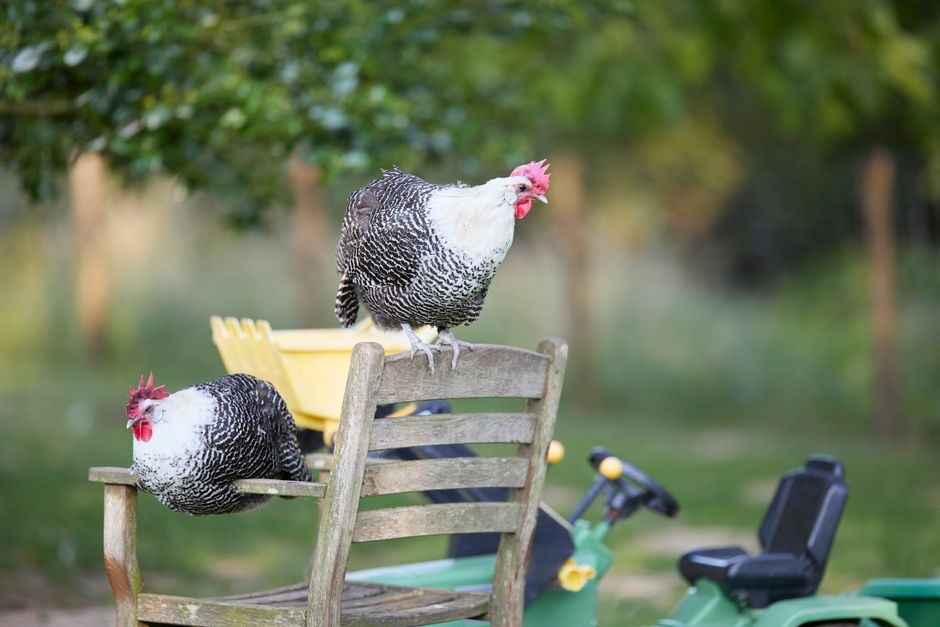
Designing nesting boxes and perches is a pivotal element in a chicken tractor’s layout, directly influencing egg production and overall flock welfare. Nesting boxes should be positioned in a quiet, shaded corner of the enclosure, with a depth of 12–14 inches and a width of 12 inches to accommodate most breeds. The floor of each box must be lined with straw or wood shavings, replaced weekly to maintain hygiene and reduce ammonia buildup. A removable tray eases cleaning and helps keep the tractor’s interior dry. The boxes should be spaced 2–3 feet apart to prevent overcrowding and to allow easy access for cleaning and egg collection. A small, hinged lid on each box provides privacy while still allowing the hens to enter and exit comfortably. Perches, on the other hand, should be installed at a height of 18–24 inches above the floor, offering a safe resting spot that encourages natural roosting behavior. The perches should be 2–3 inches wide, made from untreated, smooth wood to prevent feather damage, and positioned at least 12 inches apart to give each bird’s adequate space. Incorporating a slight incline on the perches can reduce strain on the hens’ legs and promote better circulation. For added safety, a low‑profile guard rail can be added around the perches to prevent falls. Together, well‑placed nesting boxes and thoughtfully designed perches create a harmonious environment that boosts egg output, reduces stress, and enhances the overall health of the flock!!!!!
Downloading and Using Chicken Tractor Plans PDF
Access reliable PDF plans through reputable sites, ensuring they include detailed dimensions and material lists. Once downloaded, review the schematics, adjust measurements to fit your space, and print or view on a tablet for step‑by‑step guidance. Ensure measurements match regulations and consult experts.!
Finding Reliable PDF Sources
Remember, the key to good, build lies in meticulous planning, accurate measurements, and willingness to adapt plans as you learn from construction phase. Enjoy!!!!!
Customizing and Modifying Plans
Customizing chicken tractor plans allows owners to tailor the structure to their flock’s specific needs, local climate, and available space. By adjusting dimensions, materials, and features, you can create a shelter that maximizes comfort, safety, and efficiency; When modifying a PDF plan, start by reviewing the base blueprint to understand the existing layout and structural constraints. Identify any areas that could benefit from additional ventilation, improved nesting space, or stronger support for heavy equipment. To add extra ventilation, consider installing larger windows or adding a vent hood on the roof. Use a fan or passive airflow design to keep the interior cool during hot days, especially if the tractor will be used in a region with high humidity. For colder climates, add a small insulated panel or a secondary roof layer to retain heat. Enhancing nesting boxes improves egg production and hen comfort. Extend the nesting area by adding an extra box or lengthening the side wall. Ensure each box is at least 12 inches deep and 8 inches wide, with a sloped roof to keep eggs dry. Install a small storage compartment for feed and tools, and add a lockable door for security. Finally, finish the tractor with paint or stain that matches your surroundings.! Add a small roof vent or a solar panel for extra power if you plan to run a feeder or a small fan. With these customizations, the tractor becomes a reliable, adaptable shelter that supports healthy, productive hens while keeping maintenance low.
Building Your Chicken Tractor from PDF Plans
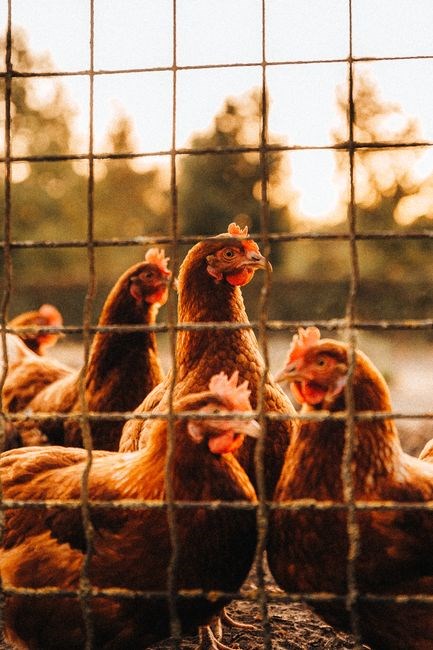
Start by gathering all materials listed in the PDF. Cut lumber to dimensions, assemble frame with brackets. Attach wire mesh, install nesting boxes, and secure ventilation. Finish with paint or stain, ensuring seams are sealed for better airflow.!
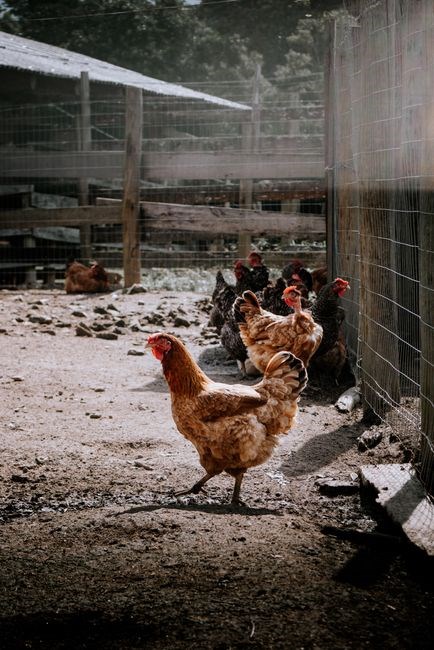
Step‑by‑Step Construction Guide
Begin by reviewing the PDF layout, noting dimensions and material lists. Mark cut lines on lumber, ensuring accuracy to avoid waste. Assemble the frame using 2×4s, securing corners with metal brackets and screws for strength. Install a sturdy base, then attach the wire mesh, cutting it to fit and fastening with zip ties or staples. Add a slatted floor for drainage, spacing slats to allow droppings to fall through. Install nesting boxes at the rear, securing them with screws and ensuring they are accessible for hens. Mount perches at appropriate heights, using sturdy rods or wooden beams, and secure them with brackets. Install a hinged door for easy access, attaching hinges to the frame and securing with screws. Add a weatherproof roof, cutting plywood or metal sheets to size, and fasten with screws, ensuring proper overlap for rain protection. Install ventilation vents, drilling holes and fitting mesh screens to prevent predators while allowing airflow. Paint or stain the structure, applying at least two coats for durability, and allow drying time between coats. Finally, test the tractor by placing a few chickens inside, checking for stability, ventilation, and predator protection. Adjust any loose components and ensure all fasteners are tightened. Maintain the tractor by cleaning the interior and exterior weekly, checking for loose screws and replacing worn parts promptly to ensure durability conditions for flock
Troubleshooting Common Issues
When a chicken tractor built from PDF plans encounters problems, a systematic approach resolves them efficiently. First, inspect the frame for loose screws or warped lumber; tighten or replace as needed to maintain structural integrity. Verify that the wire mesh is securely fastened; any gaps can invite predators, so re‑attach with zip ties or additional staples. Check the slatted floor for uneven spacing; adjust or replace slats that are too close to prevent droppings from pooling. Ensure the roof overlaps properly; inadequate overlap leads to leaks, so trim or add extra plywood to seal joints. Ventilation is critical—if the tractor feels stuffy, enlarge or add vents and replace any clogged screens. Perches that sag or wobble should be re‑bolted; use longer screws or add cross braces for stability. Door hinges that bind can be lubricated with silicone spray, and hinges that are loose should be tightened or replaced. Monitor the interior for signs of predators or pests; seal any small openings with hardware cloth and keep the area clean to deter rodents. Regular maintenance—cleaning, tightening, and inspecting—prevents most issues and keeps the tractor safe and comfortable for the flock. By addressing each issue methodically, you extend the life of the tractor and provide a healthy environment for your birds. If the tractor remains unstable, adding diagonal bracing across the frame can distribute load and reduce sway. For moisture damage, apply a waterproof sealant to exposed wood, especially at the base where water accumulates. Regularly inspect the sealant and replace any cracked sections to maintain protection!!!
Comments (0)