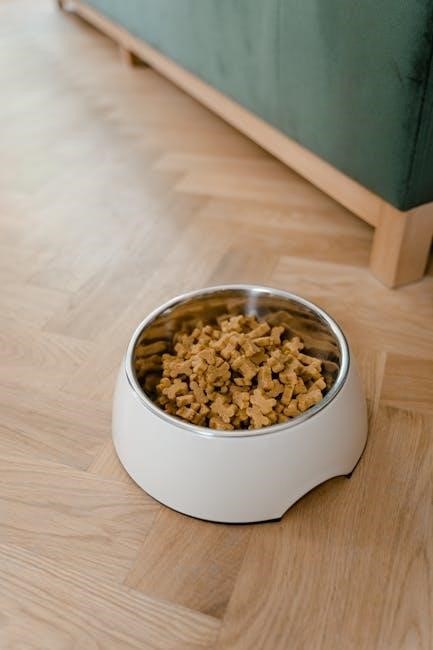
hill’s gastrointestinal biome wet dog food feeding guide
Hills Gastrointestinal Biome Wet Dog Food: A Comprehensive Feeding Guide
Navigating your canine companion’s digestive wellness is paramount; this guide details optimal feeding strategies using Hills GI Biome wet food,
promoting a balanced gut and overall health.
Hills Gastrointestinal Biome represents a significant advancement in canine digestive health nutrition. Developed by Hill’s Pet Nutrition, a leader in veterinary-recommended food, this formula isn’t simply about alleviating symptoms – it’s about actively fostering a balanced gut microbiome. Many dogs suffer from occasional digestive upset, manifesting as vomiting, diarrhea, or gas, impacting their quality of life and owner peace of mind.
Traditional diets often lack the specific nutrients needed to nourish beneficial gut bacteria. Hills GI Biome addresses this directly, utilizing a unique blend of ingredients designed to promote the growth of these crucial microorganisms. This proactive approach helps to maintain a healthy digestive tract, improving nutrient absorption and bolstering the immune system. It’s a complete and balanced diet, suitable for both growing puppies and adult dogs experiencing digestive sensitivities. Understanding the core principles behind this food is the first step towards optimizing your dog’s well-being.
Understanding Your Dog’s Gut Health
A dog’s gut is far more than just a digestive system; it’s a complex ecosystem influencing overall health. The gastrointestinal (GI) tract houses trillions of bacteria, both beneficial and potentially harmful, collectively known as the gut microbiome. A healthy microbiome is crucial for efficient digestion, nutrient absorption, and a robust immune system – approximately 70% of a dog’s immune cells reside in the gut!
Factors like diet, stress, and antibiotics can disrupt this delicate balance, leading to dysbiosis – an imbalance of gut bacteria. Dysbiosis can manifest in various ways, from mild digestive upset to more serious chronic conditions. Recognizing the importance of gut health allows for proactive nutritional choices. Supporting a thriving microbiome isn’t just about treating problems; it’s about preventing them. A well-nourished gut contributes to improved energy levels, a shinier coat, and a happier, healthier dog.
The Role of the Microbiome
The gut microbiome plays a pivotal role in numerous physiological processes within your dog. Beyond digestion, these microbial communities synthesize essential vitamins like K and certain B vitamins, contributing to overall nutritional status. They also aid in the metabolism of carbohydrates and fats, maximizing energy extraction from food.

Crucially, the microbiome acts as a barrier against harmful pathogens, competing for resources and producing antimicrobial substances. A diverse and balanced microbiome strengthens this defense, reducing the risk of infection. Furthermore, the gut microbiome communicates with the brain via the gut-brain axis, influencing mood, behavior, and cognitive function. Supporting microbiome health isn’t simply about digestive comfort; it’s about fostering holistic well-being. A thriving microbiome is a cornerstone of a resilient and happy canine life.
Signs of Gastrointestinal Distress in Dogs
Recognizing gastrointestinal (GI) upset in your dog is crucial for prompt intervention. Common indicators include vomiting, ranging from occasional regurgitation to frequent, forceful expulsion. Diarrhea, characterized by loose or watery stools, is another key sign, potentially accompanied by mucus or blood. Changes in appetite – either a decrease or a sudden increase – should also raise concern.

Beyond these primary symptoms, observe for increased gas, abdominal bloating, straining during defecation, or a noticeable change in stool color or consistency. Lethargy, weakness, and dehydration are serious signs warranting immediate veterinary attention. Frequent attempts to defecate without producing anything, or visible discomfort when touched near the abdomen, are also red flags. Early detection and addressing these signs can prevent more severe complications and ensure your dog’s comfort.
What is Hills Gastrointestinal Biome Wet Food?
Hills Gastrointestinal Biome wet food is a revolutionary dietary solution specifically formulated by veterinary nutritionists to address digestive sensitivities in dogs. It’s not simply a remedy for occasional upset; it’s designed for long-term management of chronic gastrointestinal issues. This highly digestible formula utilizes a unique blend of ingredients to nourish the gut microbiome – the trillions of bacteria residing in your dog’s digestive tract.

The wet food format offers increased palatability and hydration, beneficial for dogs who may have reduced appetites or require extra fluid intake. It contains prebiotic fiber, acting as food for beneficial bacteria, and supports a balanced gut flora. Hills GI Biome aims to improve digestion, increase nutrient absorption, and promote regular, healthy stools. It’s a complete and balanced diet, suitable for both intermittent and continuous feeding, under veterinary guidance.
Key Ingredients & Their Benefits
Hills Gastrointestinal Biome wet food boasts a carefully selected ingredient list designed to optimize digestive health. Highly digestible proteins, like chicken, provide essential amino acids without stressing the system. Rice acts as a gentle carbohydrate source, easily absorbed for energy. Beet pulp, a soluble fiber, promotes regularity and supports beneficial gut bacteria.
Crucially, the formula includes a unique prebiotic blend – fructooligosaccharides (FOS) and mannanoligosaccharides (MOS). These selectively feed beneficial bacteria, fostering a balanced microbiome. Added vitamins and minerals ensure complete and balanced nutrition. Omega-6 fatty acids contribute to healthy skin and coat. Importantly, it’s free from artificial colors, flavors, and preservatives. This synergistic combination of ingredients works to soothe the digestive tract, reduce inflammation, and enhance overall well-being.
How it Differs from Regular Dog Food
Hills Gastrointestinal Biome wet food isn’t simply another canine diet; it’s a precisely formulated nutritional solution. Unlike many regular dog foods prioritizing general maintenance, this formula targets digestive sensitivities. Standard foods often contain ingredients that can exacerbate gut issues, like insoluble fibers or complex proteins. GI Biome utilizes highly digestible components, minimizing digestive upset.
The key differentiator lies in the inclusion of a targeted prebiotic blend – FOS and MOS – actively promoting a healthy gut microbiome. Most regular foods lack this specific focus on gut health. Furthermore, the ingredient profile is streamlined, avoiding common allergens and irritants. This specialized approach makes it ideal for dogs prone to diarrhea, vomiting, or sensitive stomachs. It’s designed to nourish, repair, and maintain a balanced digestive system, offering relief and improved quality of life.
Determining Your Dog’s Feeding Needs
Establishing the correct portion size is crucial for maximizing the benefits of Hills GI Biome wet food. A ‘one-size-fits-all’ approach simply won’t suffice; individual needs vary considerably. Several key factors must be considered to accurately assess your dog’s caloric requirements. Weight is the primary determinant, but it’s only the starting point.
Beyond weight, your dog’s activity level plays a significant role. Highly active dogs require more calories than their sedentary counterparts. Age and life stage are equally important – puppies need nutrient-dense food for growth, while seniors may require fewer calories to maintain a healthy weight. Consider any underlying health conditions, as these can influence metabolic rate and nutritional demands. Careful observation and adjustments are key to finding the optimal feeding amount for your furry friend.

Weight as a Primary Factor
Your dog’s current body weight is the foundational element when calculating appropriate feeding amounts of Hills GI Biome wet food. It directly correlates with their daily caloric expenditure and, therefore, their nutritional needs. A heavier dog naturally requires more food than a lighter one to maintain a healthy body condition. However, simply increasing the quantity isn’t always the answer.
Focus on achieving an ideal body weight, not just feeding based on current weight if your dog is overweight or underweight. Use the body condition score (BCS) as a guide – ribs should be palpable with a slight fat covering. Hills provides feeding guidelines based on weight ranges, but these are starting points. Regularly monitor your dog’s weight and adjust portions accordingly. Gradual adjustments are preferred to avoid digestive upset. Remember, weight is a dynamic factor, changing with activity and age.
Activity Level Considerations
Beyond weight, your dog’s daily activity significantly impacts their caloric requirements when using Hills GI Biome wet food. A highly active dog – one that enjoys vigorous exercise like running, hiking, or agility training – will burn more calories and necessitate a larger food intake compared to a sedentary companion. Conversely, less active dogs require fewer calories to prevent weight gain.
Consider the intensity and duration of exercise. A short, leisurely walk won’t demand as much energy as a high-intensity workout. Observe your dog’s body condition closely. If they’re maintaining a healthy weight with a specific food amount and activity level, continue that regimen. If weight fluctuations occur, adjust the feeding amount incrementally. Remember, activity levels can change seasonally, so be prepared to adapt your dog’s diet accordingly. Consistent monitoring is key to optimal health.
Age & Life Stage Adjustments (Puppy, Adult, Senior)
A dog’s nutritional needs evolve throughout their life, impacting how much Hills GI Biome wet food they require. Puppies, experiencing rapid growth, demand more calories and specific nutrients for proper development. Feeding guidelines for puppies will differ significantly from those for adults.
Adult dogs in their prime need a balanced diet to maintain their weight and energy levels. Senior dogs, however, often experience a slower metabolism and decreased activity, requiring fewer calories to avoid weight gain. They may also benefit from ingredients supporting joint health and cognitive function. Always consult your veterinarian regarding appropriate portion sizes based on your dog’s individual life stage. Transitioning between life stage formulas should be done gradually to avoid digestive upset. Careful observation and adjustments are crucial for lifelong well-being.
The Hills Gastrointestinal Biome Wet Food Feeding Guide ― General Guidelines
Establishing a consistent feeding routine is vital when using Hills GI Biome wet food. These guidelines offer a starting point, but individual needs vary. Typically, divide the daily recommended amount into two or three meals to promote optimal digestion and prevent hunger. Always provide fresh, clean water alongside the food.
Begin by determining your dog’s ideal body weight and referencing the feeding charts provided (detailed later). Monitor their body condition score regularly – you should be able to feel, but not easily see, their ribs. Adjust the feeding amount based on their weight, activity level, and overall health. Remember, these are estimates; observe your dog’s response and consult your veterinarian for personalized recommendations. Consistency and careful observation are key to successful feeding.
Transitioning to Hills GI Biome Wet Food
A gradual transition is crucial to avoid digestive upset when switching to Hills GI Biome wet food. Abrupt changes can exacerbate existing sensitivities. Begin by mixing a small amount (25%) of the new food with 75% of your dog’s current food. Over the next 3-5 days, gradually increase the proportion of GI Biome, decreasing the old food accordingly.
Monitor your dog’s stool consistency closely during the transition. Soft stools or diarrhea may indicate the change is happening too quickly; slow down the process. If significant digestive upset occurs, revert to the previous ratio for a day or two before resuming the gradual increase. Patience is key! By the end of the week, your dog should be fully transitioned to the Hills GI Biome wet food, enjoying a happier, healthier gut.

Initial Feeding Amounts (Based on Weight)
Determining the starting point for feeding Hills GI Biome wet food requires considering your dog’s current weight. These are initial guidelines; adjustments will be necessary based on individual needs and response. For dogs under 20 lbs, begin with approximately 100-200 grams of wet food daily, divided into multiple meals.
Dogs weighing 20-50 lbs typically require 200-400 grams per day. Larger breeds (50-90 lbs) should start with 400-600 grams daily, while dogs over 90 lbs may need 600-800+ grams. Always divide the daily amount into at least two meals to promote optimal digestion and prevent bloating. Remember to consult the detailed feeding charts provided in the following sections for more precise recommendations based on specific weight ranges. These amounts are a starting point, and observation is key!
Specific Feeding Charts (Weight Ranges)
Below are detailed feeding recommendations, categorized by weight, for Hills Gastrointestinal Biome wet food. Dogs Under 20 lbs: 5-10 lbs – 80-160g; 11-15 lbs – 160-240g; 16-20 lbs – 200-280g. Dogs 20-50 lbs: 21-30 lbs – 280-360g; 31-40 lbs – 360-440g; 41-50 lbs – 400-500g.

Dogs 50-90 lbs: 51-60 lbs – 500-600g; 61-70 lbs – 600-700g; 71-80 lbs – 700-800g; 81-90 lbs – 800-900g. Dogs Over 90 lbs: 91-100 lbs – 900-1000g; 100+ lbs – 1000g+. These are daily amounts, split into at least two meals. Individual needs vary; monitor your dog’s body condition and adjust accordingly. These charts provide a solid foundation for establishing appropriate portion sizes.
Dogs Under 20 lbs
For smaller breeds and puppies weighing less than 20 pounds, precise feeding is crucial for optimal gut health and growth. 5-10 lbs dogs typically require 80-160 grams of Hills Gastrointestinal Biome wet food daily, divided into three smaller meals. 11-15 lbs dogs benefit from 160-240 grams per day, split into two or three feedings.
For dogs between 16-20 lbs, a daily intake of 200-280 grams, divided into two meals, is generally recommended. Always monitor your dog’s weight and body condition; adjust portions if they appear underweight or overweight. Ensure fresh water is always available. These guidelines are starting points; individual metabolic rates and activity levels will influence their specific needs. Consistent monitoring is key to success.
Dogs 20-50 lbs
Dogs within the 20-50 pound weight range require a carefully calibrated diet to support their digestive systems and maintain a healthy weight. For dogs weighing 20-30 lbs, a daily intake of 280-400 grams of Hills Gastrointestinal Biome wet food, divided into two meals, is a good starting point.
As weight increases to 31-40 lbs, increase the daily portion to 400-560 grams, still split into two feedings. Larger dogs, 41-50 lbs, generally need 560-720 grams per day, divided into two meals. Regularly assess your dog’s body condition score; adjust portions accordingly to maintain an ideal physique. Remember to provide constant access to fresh, clean water. These are estimates, and individual needs may vary based on activity and metabolism.
Dogs 50-90 lbs
Medium to large breed dogs, weighing between 50 and 90 pounds, have substantial energy requirements and benefit from a consistent, nutrient-rich diet. For dogs in the 50-65 lb range, a daily feeding amount of 720-960 grams of Hills Gastrointestinal Biome wet food, divided into two meals, is generally recommended.
As weight increases to 66-80 lbs, increase the daily portion to 960-1200 grams, maintaining two feedings per day. Dogs weighing 81-90 lbs typically require 1200-1440 grams daily, split into two meals. Monitor your dog’s body condition closely, adjusting portions to ensure they maintain a healthy weight and muscle mass. Ensure fresh water is always available. These are starting guidelines; individual metabolic rates and activity levels will influence precise needs.
Dogs Over 90 lbs
Giant breed dogs exceeding 90 pounds necessitate larger food portions to support their size and metabolic demands. For dogs weighing 91-110 lbs, a daily intake of 1440-1680 grams of Hills Gastrointestinal Biome wet food, divided into two substantial meals, is a good starting point.
As weight climbs to 111-130 lbs, increase the daily portion to 1680-1920 grams, still split into two feedings. Dogs over 130 lbs may require 1920-2160 grams or more daily, depending on activity level. Regularly assess your dog’s body condition score, adjusting portions to prevent obesity or underweight conditions. Always provide access to clean, fresh water. These recommendations are estimates; individual needs vary. Consistent monitoring and adjustments are crucial for optimal health.
Monitoring Your Dog’s Response & Adjusting Feed
Consistent observation is key when introducing or adjusting your dog’s diet. Monitor stool quality – ideally, it should be well-formed and consistent. Watch for signs of digestive upset like diarrhea, vomiting, or excessive gas. If these occur, temporarily reduce the feeding amount and consult your veterinarian.

Assess your dog’s weight and body condition score weekly. You should be able to feel, but not easily see, their ribs. Adjust the feeding amount incrementally (10-15% at a time) based on these observations. An active dog may need more calories, while a less active one may need less. Remember, these are guidelines; individual metabolic rates vary. Patience and careful monitoring will ensure your dog thrives on Hills GI Biome.

Combining Wet & Dry Food (If Applicable)
Many owners choose to combine Hills GI Biome wet food with its dry counterpart, offering palatability and hydration benefits. When mixing, remember to adjust the total daily caloric intake to match your dog’s needs, preventing overfeeding. A common approach is to replace a portion of the dry food with an equivalent amount of wet food, on a caloric basis – wet food contains more moisture.
Carefully calculate the ratio to maintain nutritional balance. For example, if your dog typically eats 1 cup of dry food, you might replace ½ cup with ¾ cup of wet food (adjusting based on the specific product’s caloric density). Introduce the mixture gradually over 5-7 days to avoid digestive upset. Monitor stool consistency and adjust the wet/dry ratio as needed. Always provide fresh water alongside meals, regardless of the feeding method.
Important Considerations & Precautions

While Hills GI Biome is generally well-tolerated, certain precautions are essential. Always consult your veterinarian before starting any new diet, especially if your dog has underlying health conditions. Monitor for any adverse reactions like vomiting, diarrhea, or loss of appetite, and discontinue use if they occur. Ensure proper storage of opened cans – refrigerate promptly and use within 24-48 hours.
This food is designed for gastrointestinal support and isn’t intended for long-term maintenance without veterinary guidance. Regular check-ups are crucial to assess your dog’s progress and adjust the feeding plan accordingly. Avoid free-feeding; portion control is vital for managing digestive health. Be mindful of treats and other supplemental foods, factoring their calories into the daily total. Transitioning too quickly can cause upset, so follow the recommended guidelines carefully.
Comments (0)